
NASA and Boeing Lay Out Starliner Return to Flight Plan

An uncrewed flight targeted for December 2026 or January 2027 will test changes made after the Crew Flight Test. NASA aims to return astronauts to Starliner by 2028.

On Monday, September 28, 2026, NASA and Boeing outlined for returning Starliner to flight, beginning with an uncrewed engineering mission to the International Space Station as early as December. The agency also intends to exercise options for fifth and sixth Starliner flights and work with Boeing and United Launch Alliance to certify the Vulcan rocket for future crew transportation.
Starliner-1 could launch in December 2026 or January 2027. NASA will use the flight to evaluate changes made after the spacecraft’s 2024 Crew Flight Test and gather the data needed for certification. The current plan calls for astronauts to return aboard Starliner-2 by 2028, contingent on testing and certification.

NASA Administrator Jared Isaacman placed that work within the agency’s long-standing goal of maintaining multiple ways to carry astronauts to low Earth orbit. SpaceX Dragon has provided regular transportation to the station; NASA wants Starliner to become a second operational option for the ISS and future commercial destinations.
What the investigation found
NASA’s Program Investigation Team examined the technical and programmatic problems that led to Starliner returning without its crew in 2024. Its February report made 61 recommendations. A central finding concerned service module reaction control thrusters that operated outside their engineering qualification environment, contributing to the loss of control during Crew Flight Test. Subsequent testing linked their performance to a combination of thermal conditions and design features.
Boeing has made thermal changes to the service module that NASA will evaluate on Starliner-1. NASA and Boeing also agreed to a thruster valve design change focused on poppet seal extrusion and its effect on performance. That change is planned after the uncrewed flight as the program works toward crew certification.

NASA astronaut Woody Hoburg, who is expected to command Starliner-2, highlighted the service module thruster anomaly, helium leaks and a failed Crew Module thruster. He also described gaps between ground qualification and the environment the spacecraft encountered in flight. Starliner-1 will let teams study propulsion, guidance, navigation and control as an integrated system. “Every time we fly, we learn,” Hoburg said.
What Starliner 1 will test
The uncrewed mission is an engineering evaluation flight. It will verify the improved thermal environment, collect performance data for system qualification and help identify remaining risks before astronauts return. During the news conference, officials said the modifications have lowered thruster temperatures by approximately 100 degrees, increasing operating margin. Ground testing will continue to challenge the system and compare its behavior with the conditions seen during Crew Flight Test.

Dana Weigel, manager of NASA’s Low Earth Orbit Program, emphasized targeted propulsion demonstrations and disciplined operational controls. The mission’s data will be central to validating thermal performance before crewed flight. Officials also discussed work on the helium system, including replacement seals and measures intended to address material degradation and hydrazine interactions.
After Starliner-1, Boeing plans to complete the service module thruster valve modification. Other changes for certification include new Crew Module thrusters, updated batteries and minor parachute modifications intended to improve performance and reliability.
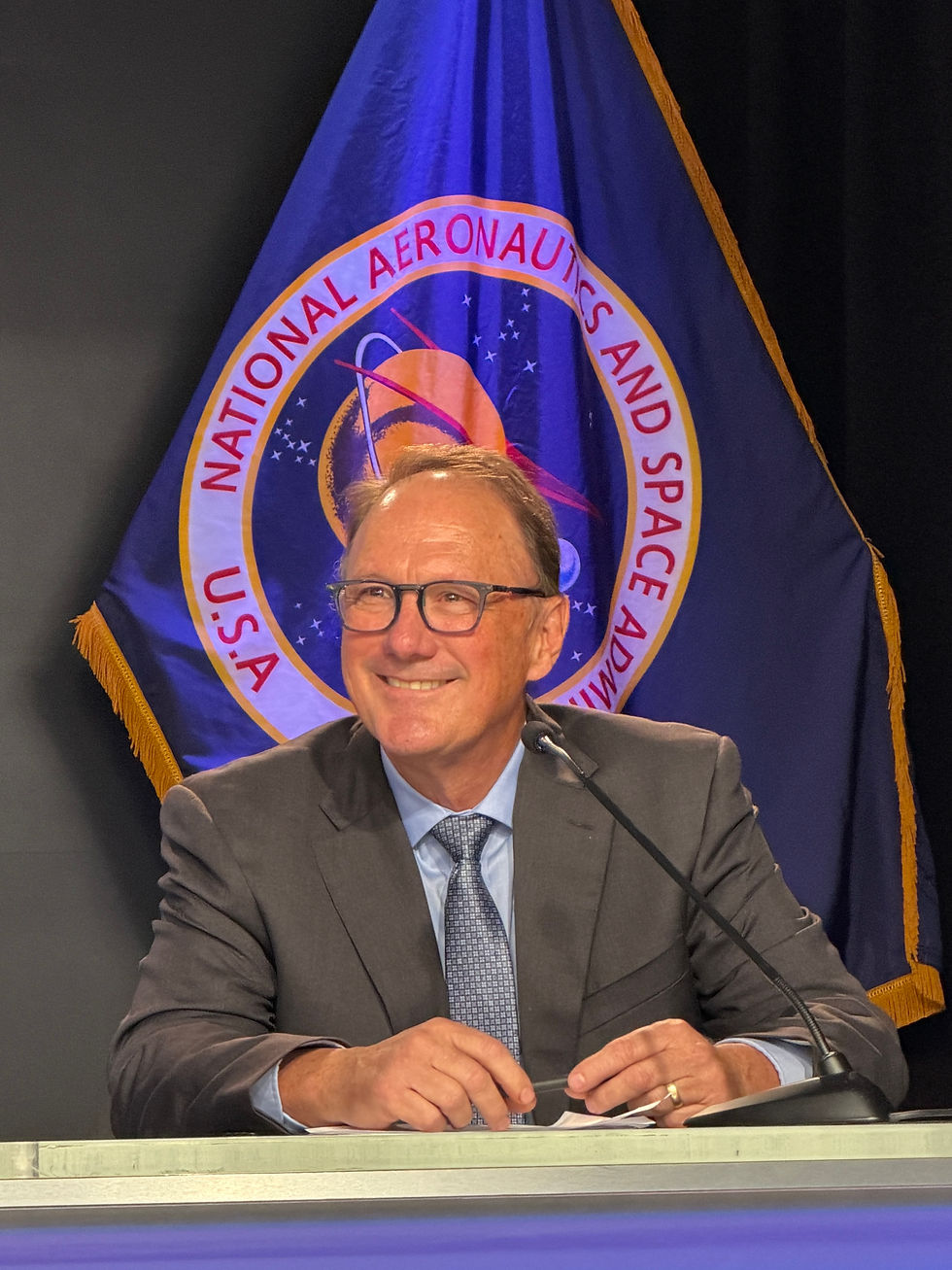
John Mulholland, Boeing’s vice president and Commercial Crew program manager, described additional monitoring of thruster performance through higher-frequency data recording. That information should help engineers assess the propulsion system during flight and guide remaining certification work.
A second crew transportation option
NASA’s longer-term goal is to use Starliner for regular crew rotations. Asked about international astronauts who have trained with the program, officials said existing partner agreements govern seat allocations and specific assignments will be made closer to each mission. The agency’s plan to exercise options for fifth and sixth flights signals its intention to continue Starliner operations beyond the next two missions.
The launch vehicle will change as well. Starliner has flown on United Launch Alliance’s Atlas V. NASA plans to work with Boeing and ULA to certify Vulcan for crew transportation after Atlas V’s final flight. Officials did not provide a detailed Vulcan certification cost during the briefing.

The next test
The next flight will carry no astronauts, but its results will determine how NASA and Boeing proceed. Engineers need to see whether the thermal changes work in space, whether propulsion performance stays within acceptable margins and what risks remain. The later valve change and other upgrades must also be tested and certified before crewed flight.
NASA’s decision to continue the program gives that process room to unfold. The focus now is on turning the findings from Crew Flight Test into measurable improvements and demonstrating them in the environment where the earlier problems appeared.


Comments